Ankle sprains are one of the most common injuries we see at Inspine Therapy. Our team of active rehab specialists works together to deliver personalized ankle sprain treatment that reduces pain, restores stability, and lowers the chance of it happening again.
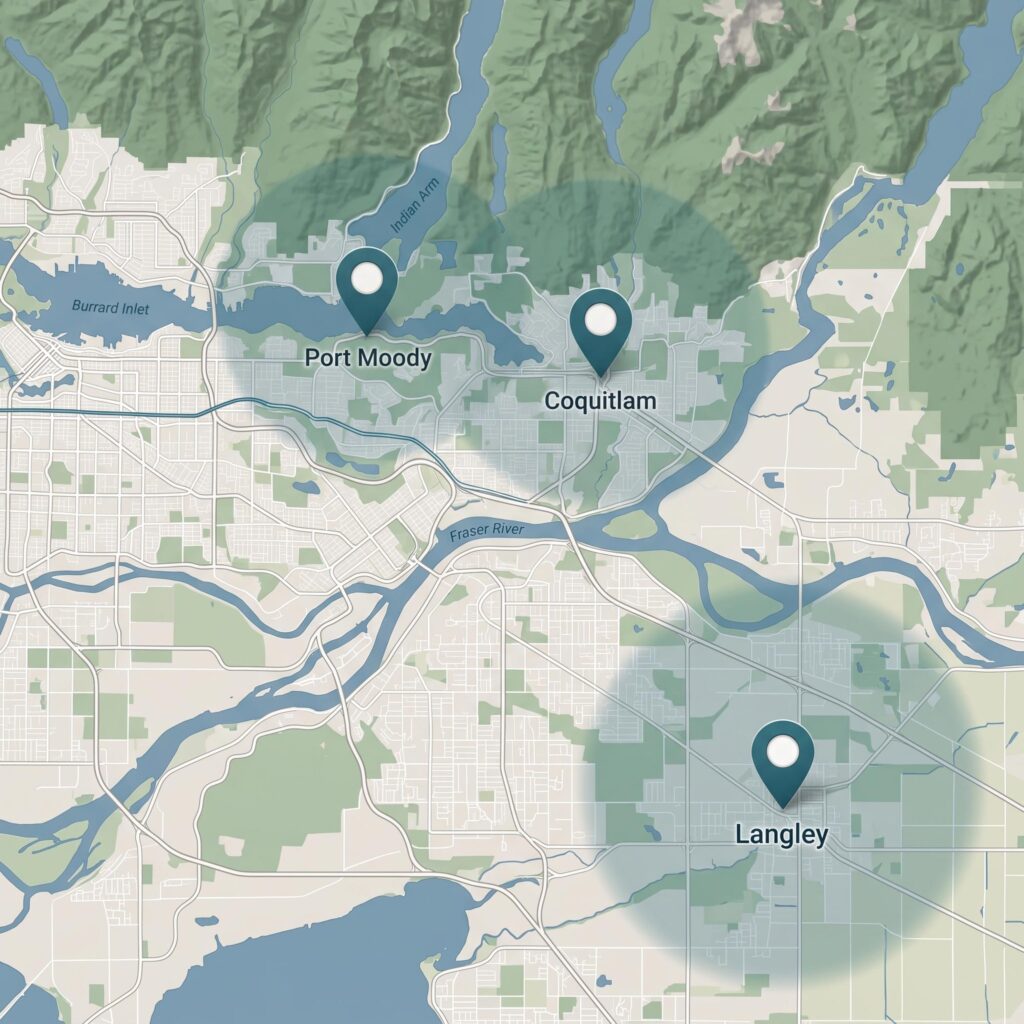
At our clinics serving Port Moody, Coquitlam, and Langley, we focus on root-cause solutions so you can get back on your feet with lasting confidence.
A rolled ankle can leave you limping for weeks if the ligaments and supporting muscles never fully regain their strength and control. At Inspine Therapy we create a personalized plan that may draw on physiotherapy, active rehabilitation, acupuncture, and other supportive treatments so the joint becomes more resilient than before the injury.
Canadian data shows ankle sprains occur at a rate of roughly 16.9 per 1,000 person-years in Ontario, with higher rates among younger people and females. In sports injury studies across Canada, the ankle ranks among the most frequently injured body sites. Early, guided care makes a clear difference in how well and how quickly you recover.
An ankle sprain is an injury to the strong fibrous ligaments that connect the leg bones to the foot bones and keep the joint stable. Most sprains affect the outer (lateral) ligaments when the foot rolls inward. Mild sprains stretch the ligament. More severe ones partially or fully tear it.
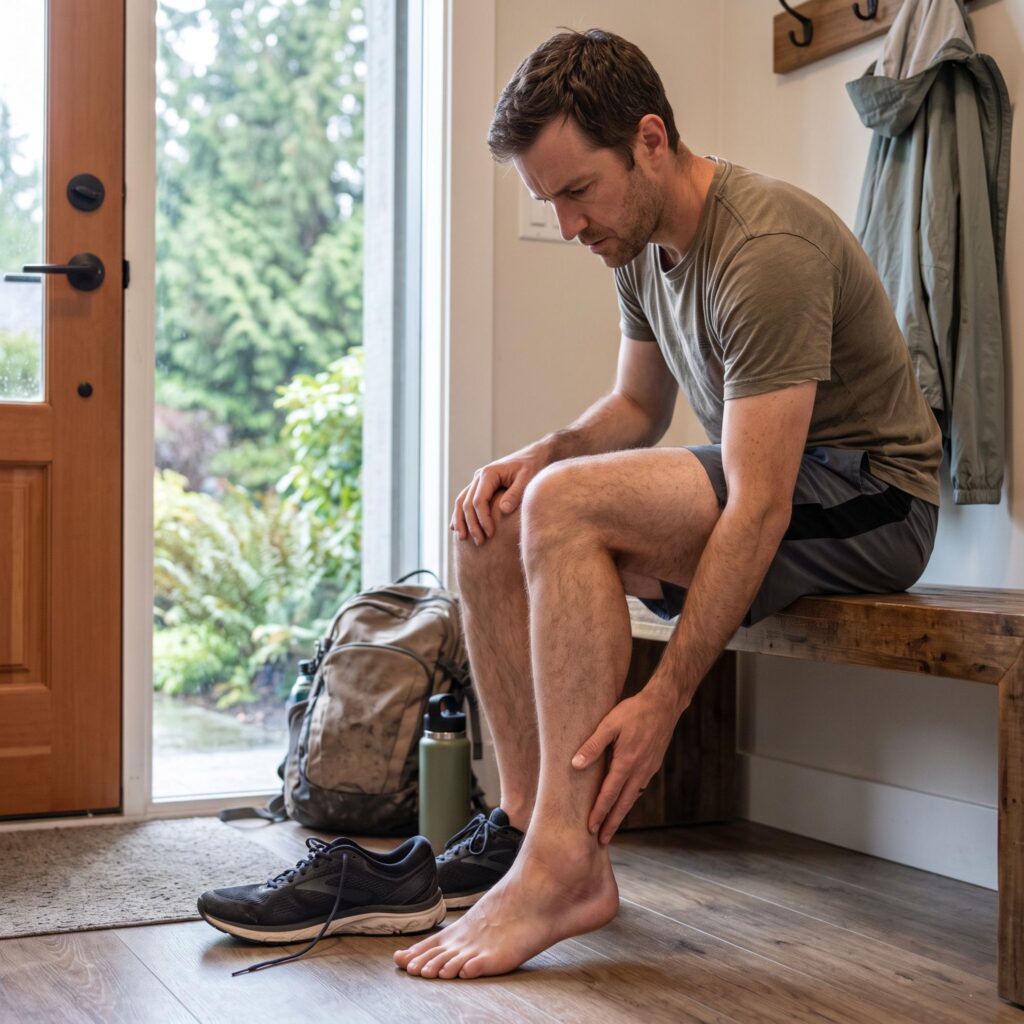
The joint can feel unstable, swollen, and painful to walk on. Without proper rehabilitation, many people develop lingering weakness or repeated sprains.
Symptoms can appear right away or develop over the first few hours. Common signs include:
If you’re experiencing any of these symptoms, it’s recommended to seek help as soon as possible to prevent the injury from becoming a chronic problem.

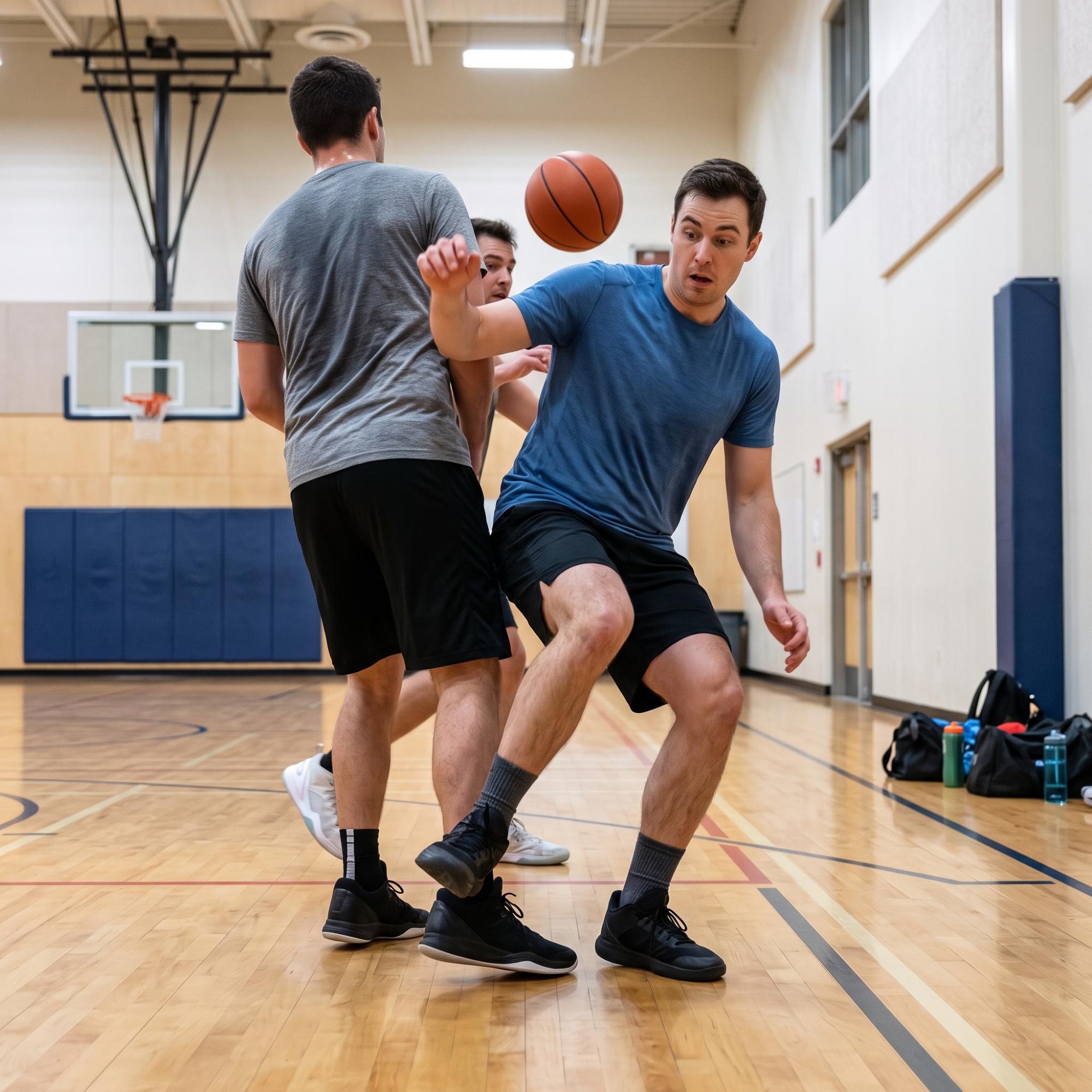
Sprained ankles resulting from sports injuries like sudden changes of direction, jumping, or landing in basketball, soccer, volleyball, trail running, or hiking commonly roll the ankle. High-impact or pivoting sports place the ligaments under rapid stress.

Sidewalks, trails, stairs, or even a small curb can cause the foot to turn under the body’s weight. Soft or unstable footwear increases the risk.
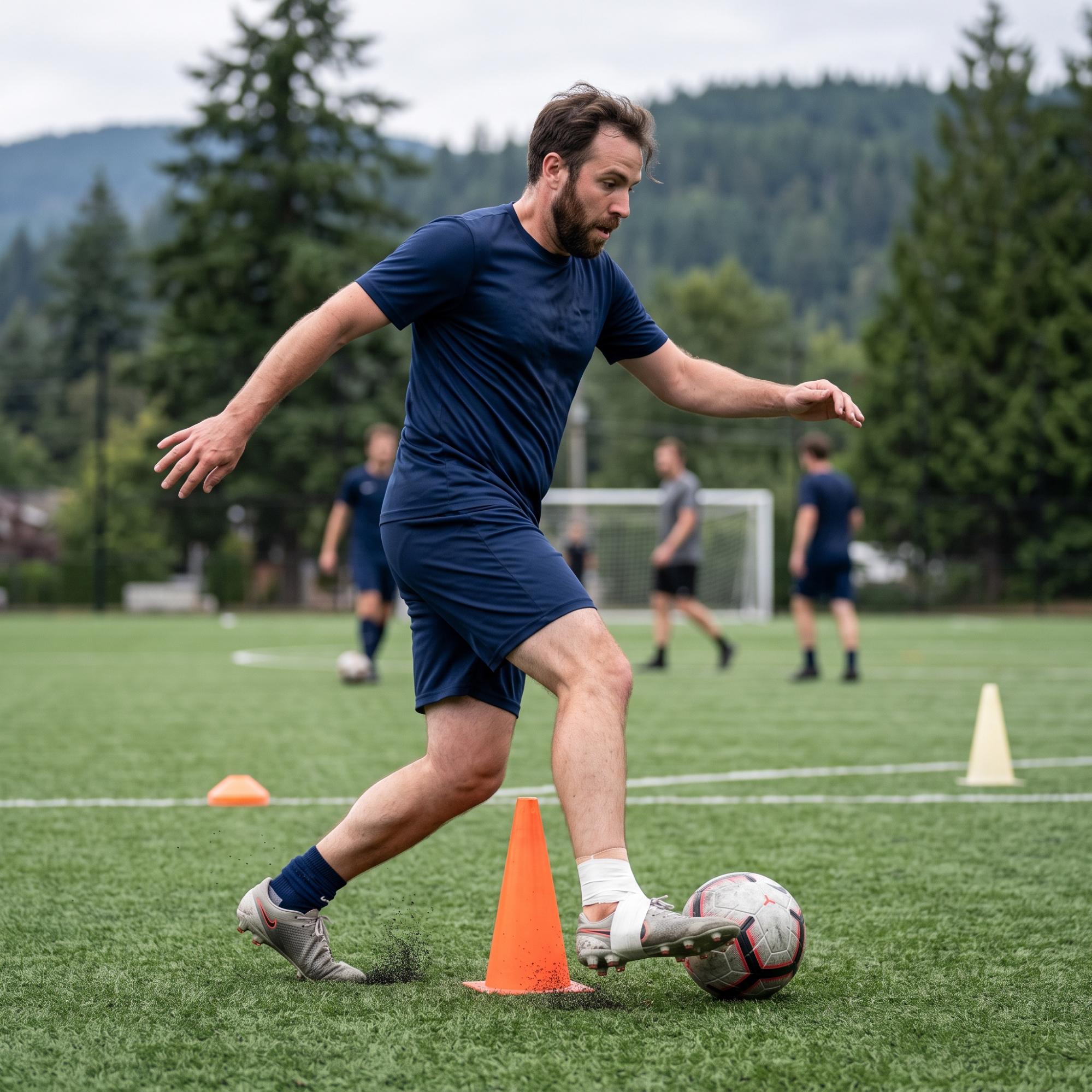
Once an ankle has been sprained or strained, the ligaments and surrounding muscles often lose some strength and proprioception (position sense). This raises the chance of another sprain if the area is not fully rehabilitated.

Worn-out shoes, high heels, or tired muscles reduce joint control and make rolling the ankle more likely during longer walks or late in a game.
Many people expect a mild sprain to resolve on its own in a week or two. While some do improve with basic rest, incomplete healing is common. Ligaments take time to regain full strength, and surrounding muscles often remain inhibited. Without targeted work, residual swelling, reduced balance, and a higher risk of re-injury can linger for months.
Canadian research and clinical experience both show that early structured rehabilitation improves outcomes and reduces the likelihood of chronic ankle instability.
Healing time depends on the grade of the sprain and how soon proper care begins:
Key factors that influence recovery include how quickly treatment starts, the severity of ligament damage, any previous ankle issues, and consistency with the recommended exercises. Starting active rehabilitation early consistently leads to better long-term stability.
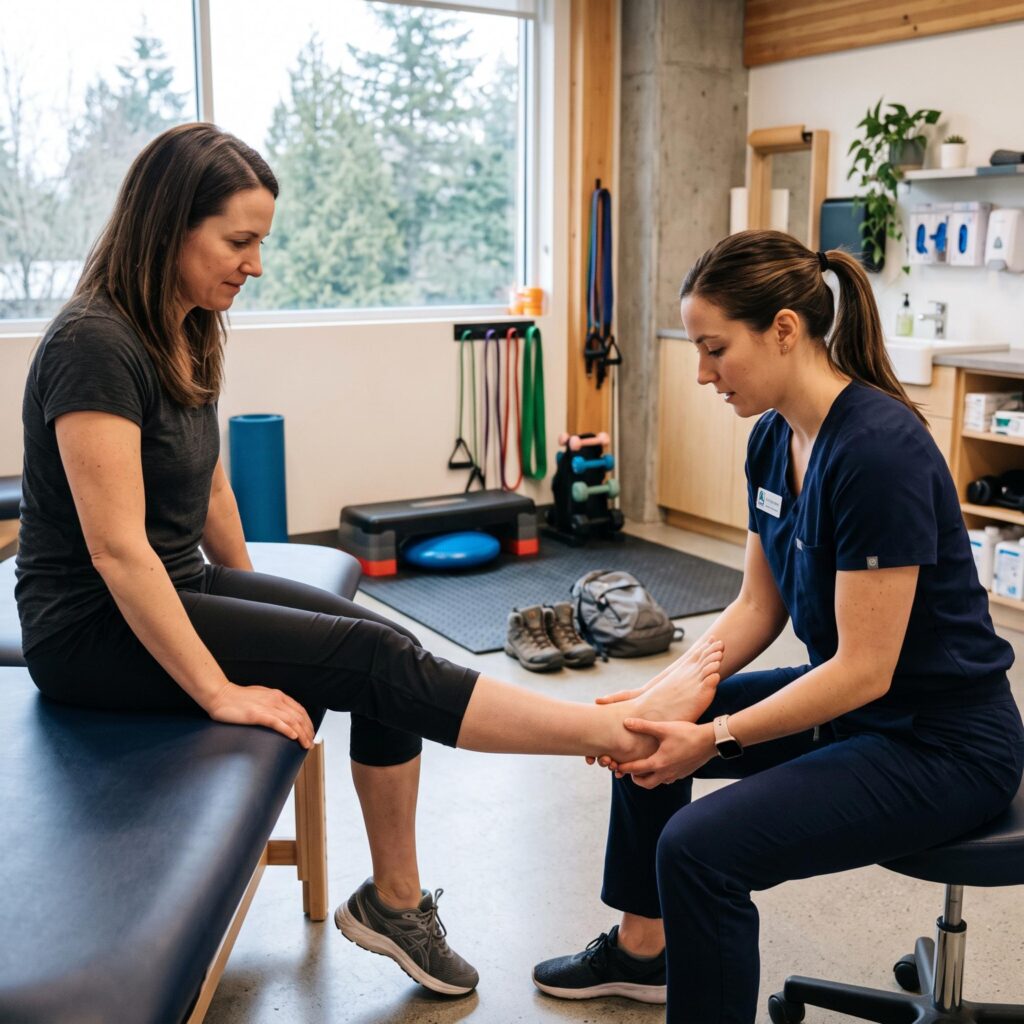
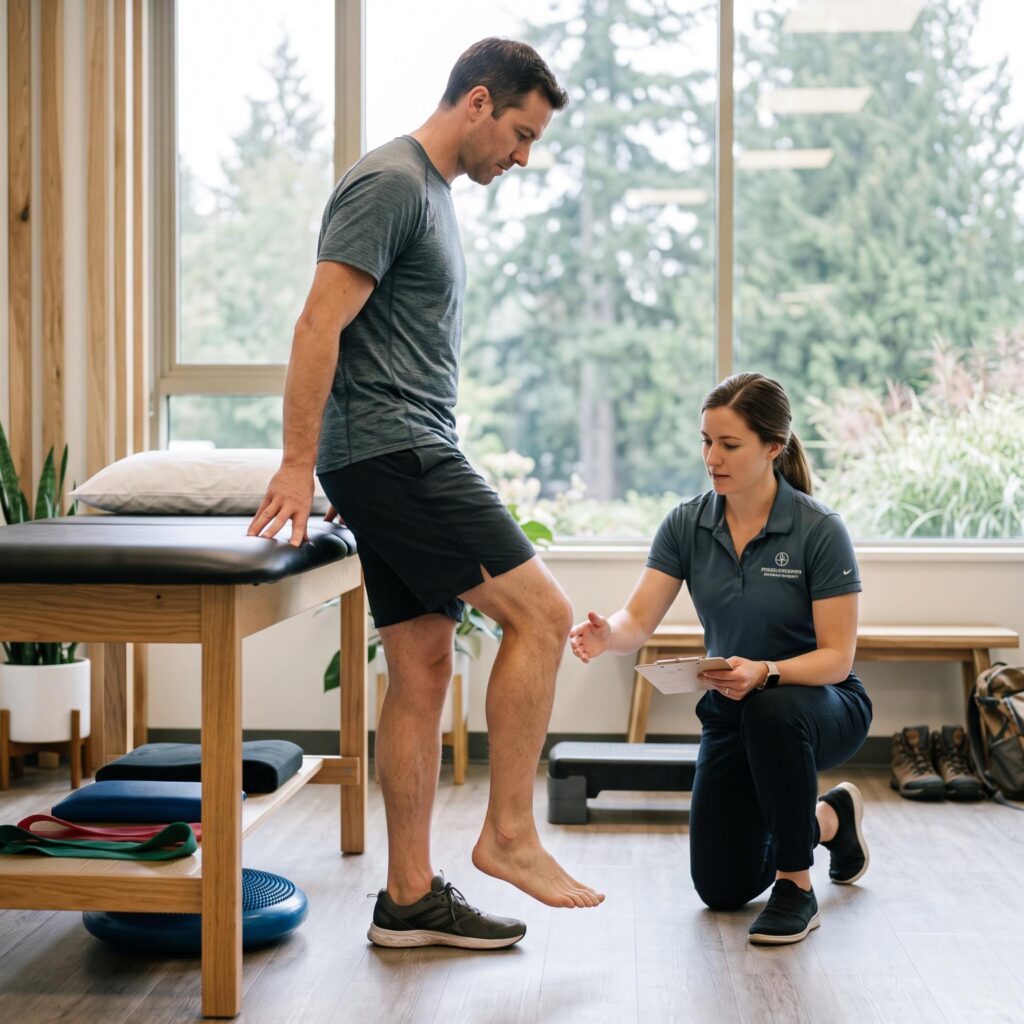
Every ankle sprain treatment plan begins with a thorough assessment of the joint, surrounding muscles, balance, and gait. We then build a plan tailored to your goals, whether that’s returning to sport, work, or everyday walking without worry.
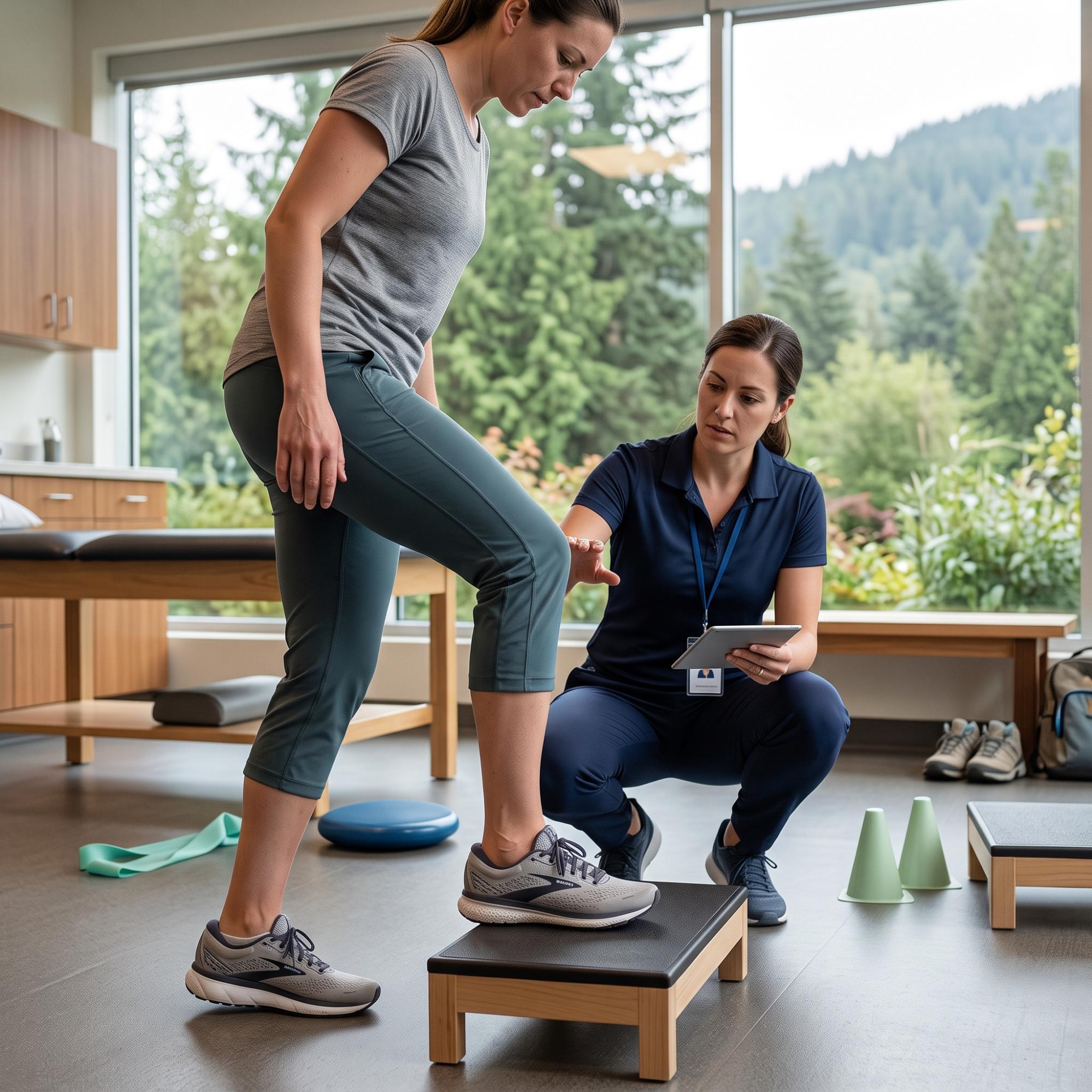
Active rehab focuses on restoring strength, balance, and control. Progressive exercises rebuild the muscles that support the ankle, improve proprioception, and prepare the joint for real-world demands. This approach is especially effective for reducing the risk of future sprains.
Physiotherapy for an ankle sprain includes manual therapy to improve joint mobility, soft-tissue techniques, and a carefully progressed exercise program. We address swelling, restore range of motion, and guide a safe return to activity. Our sports physiotherapy services are particularly helpful for athletes.
Registered massage therapy helps manage residual muscle tension, improve circulation, and reduce compensatory tightness in the calf, foot, and lower leg that often develops after an ankle sprain. Techniques such as myofascial release support tissue healing and comfort during the recovery process.
When appropriate, gentle chiropractic treatment can address related joint restrictions in the foot, ankle, or lower kinetic chain. Some patients also benefit from acupuncture to help manage pain and inflammation during the early stages.
We coordinate care across disciplines so your progress stays consistent and efficient.
If your ankle sprain resulted from a motor vehicle accident, ICBC generally covers physiotherapy, massage therapy, active rehabilitation, and related services. Inspine Therapy offers direct billing, which simplifies the process for patients in Port Moody, Coquitlam, and Langley. Our team handles the paperwork so you can focus on recovery.
Inspine Therapy maintains three modern, multi-disciplinary clinics:
Each location offers the full spectrum of ankle sprain treatment services close to home.
Whether your injury is recent or you’ve been dealing with lingering instability, our team is ready to help. Book your appointment online or contact us directly. We’re committed to helping you move better, feel stronger, and return to the activities you enjoy with greater confidence.
Your initial visit includes a detailed history of the injury, hands-on examination of the ankle and surrounding structures, balance and gait assessment, and discussion of your goals. We’ll outline a clear treatment plan and often begin initial care the same day.
As soon as swelling and pain allow safe movement, often within the first few days. Early guided care improves recovery speed and reduces the risk of chronic instability compared with prolonged rest alone.
Yes. Under ICBC’s Enhanced Care model, physiotherapy, active rehabilitation, massage therapy, and related services are covered regardless of fault. We provide direct billing to make the process straightforward.
Most mild to moderate sprains show meaningful improvement within 4–8 sessions when patients follow the home program. More severe or recurrent sprains may require a longer progressive plan. Your therapist will give you a clearer timeline after the initial assessment.