

Shoulder Impingement Treatment in Port Moody

Struggling with sharp shoulder pain when you reach overhead, throw, swim, or even try to sleep on that side? 

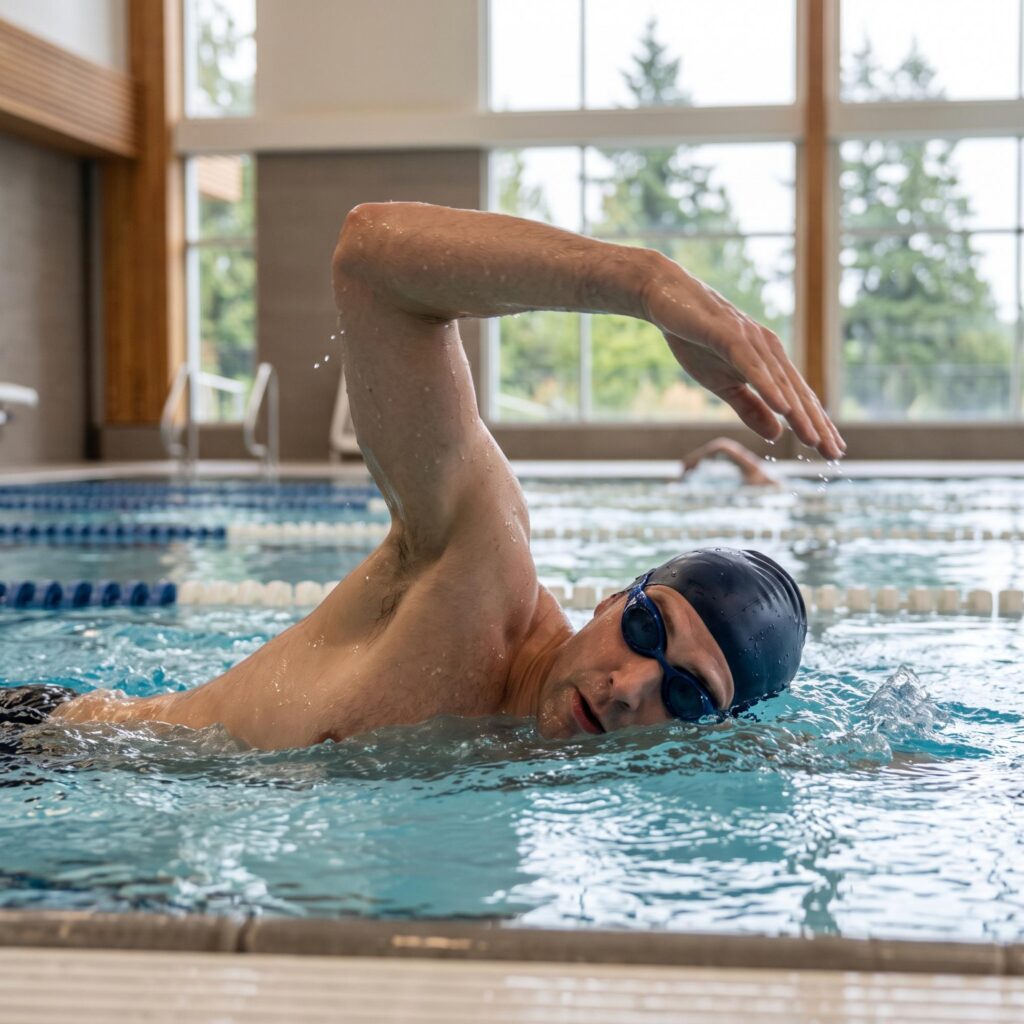
Shoulder impingement (often called swimmer’s shoulder) is one of the most common reasons people lose strength and confidence in their arm.

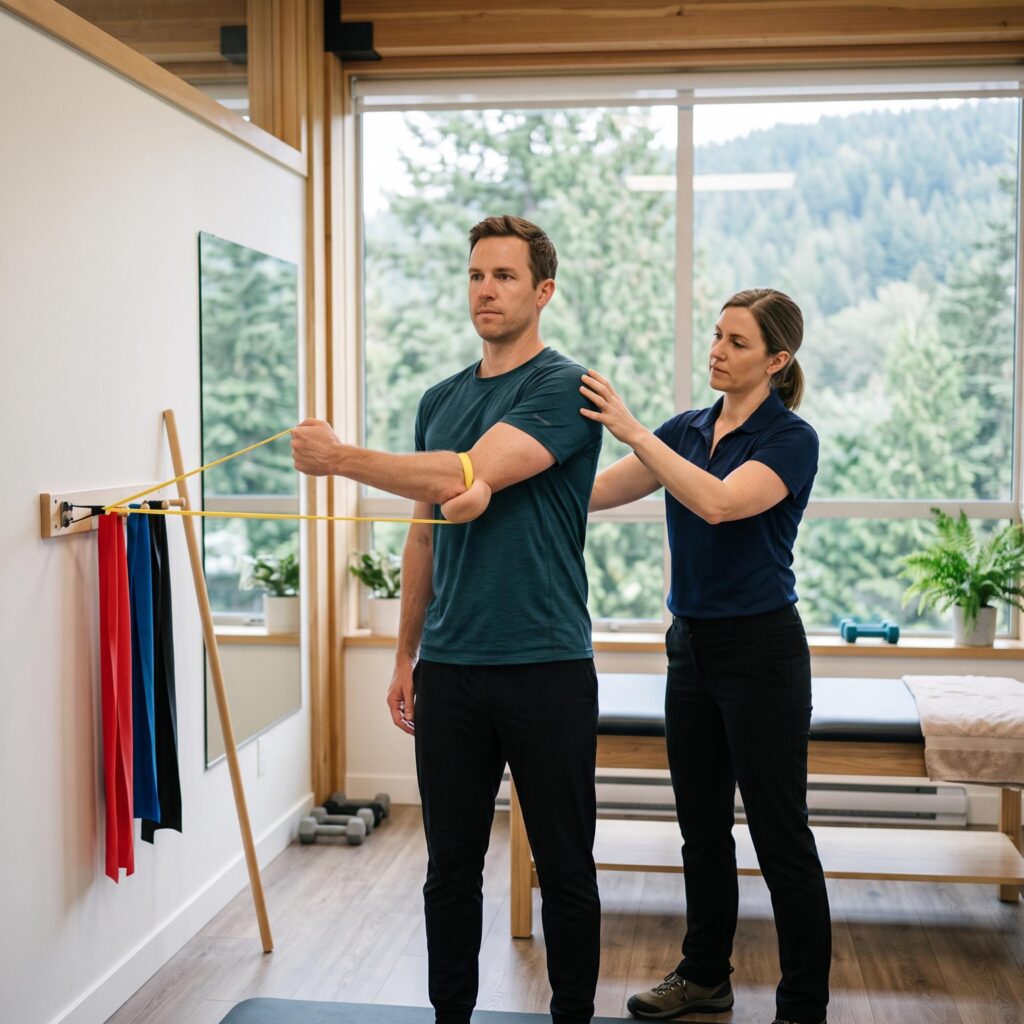
At Inspine Therapy, our experienced team works together to deliver personalized shoulder impingement treatment that reduces pain, restores mobility, and helps stop the problem from coming back.

We focus on the root causes, not just the symptoms so you can get back to work, sport, and everyday life with lasting relief.

Shoulder Impingement Relief That Lasts

If lifting your arm, reaching behind your back, or sleeping on your side has become painful and frustrating, you’re dealing with more than just temporary soreness. 

Many people try to “push through” the discomfort. Without proper assessment and a structured plan, the problem often becomes chronic. Early, targeted shoulder impingement treatment and shoulder impingement rehab make a measurable difference in recovery speed and long-term outcomes.

The good news is that most people recover well with the right care. At Inspine Therapy, we combine physiotherapy, active rehabilitation, among other therapies to reduce pain, restore strength and mobility, and address the underlying causes so the problem is less likely to return.

What Is Shoulder Impingement?

Shoulder impingement happens when the tendons and soft tissues in your shoulder get pinched in a narrow space. This space sits between the top of your upper arm bone and the tip of your shoulder blade. When it becomes tighter, from swelling, poor shoulder blade movement, bone shape, or repeated overhead activity,  the tissues get compressed and cause pain.

It is frequently called swimmer’s shoulder because the repetitive overhead motion of swimming places high demand on the same structures. The same pattern appears in tennis, baseball, volleyball, painting, carpentry, and desk-based work with rounded posture.

Shoulder pain is a frequent musculoskeletal complaint among Canadian adults, and impingement ranks among the more common causes of shoulder-related problems seen in clinical practice. 

Recognizing the Symptoms of Shoulder Impingement

Symptoms can start gradually or after a sudden increase in activity. Common signs include:

  • Sharp or catching pain when lifting the arm overhead or across the body
  • Pain that radiates from the front or top of the shoulder down the outer arm
  • Night pain, especially when lying on the affected side
  • Weakness when reaching or lifting
  • A painful arc of motion between roughly 60 and 120 degrees of elevation
  • Reduced ability to reach behind the back or across the body

If you notice these symptoms, early assessment helps prevent progression to more stubborn tendinopathy or partial rotator cuff involvement.

What Causes Shoulder Impingement?

Several factors commonly contribute:

Repetitive Overhead Activity

Swimming, throwing sports, racquet sports, and occupations that require frequent arm elevation load the subacromial space repeatedly. Shoulder pain is very common among competitive swimmers in Canada, with studies of youth swimmers showing that roughly one in three report shoulder pain in a given month.

Poor Posture and Scapular Dysfunction

Forward head and rounded shoulders reduce the space under the acromion and alter how the shoulder blade moves.
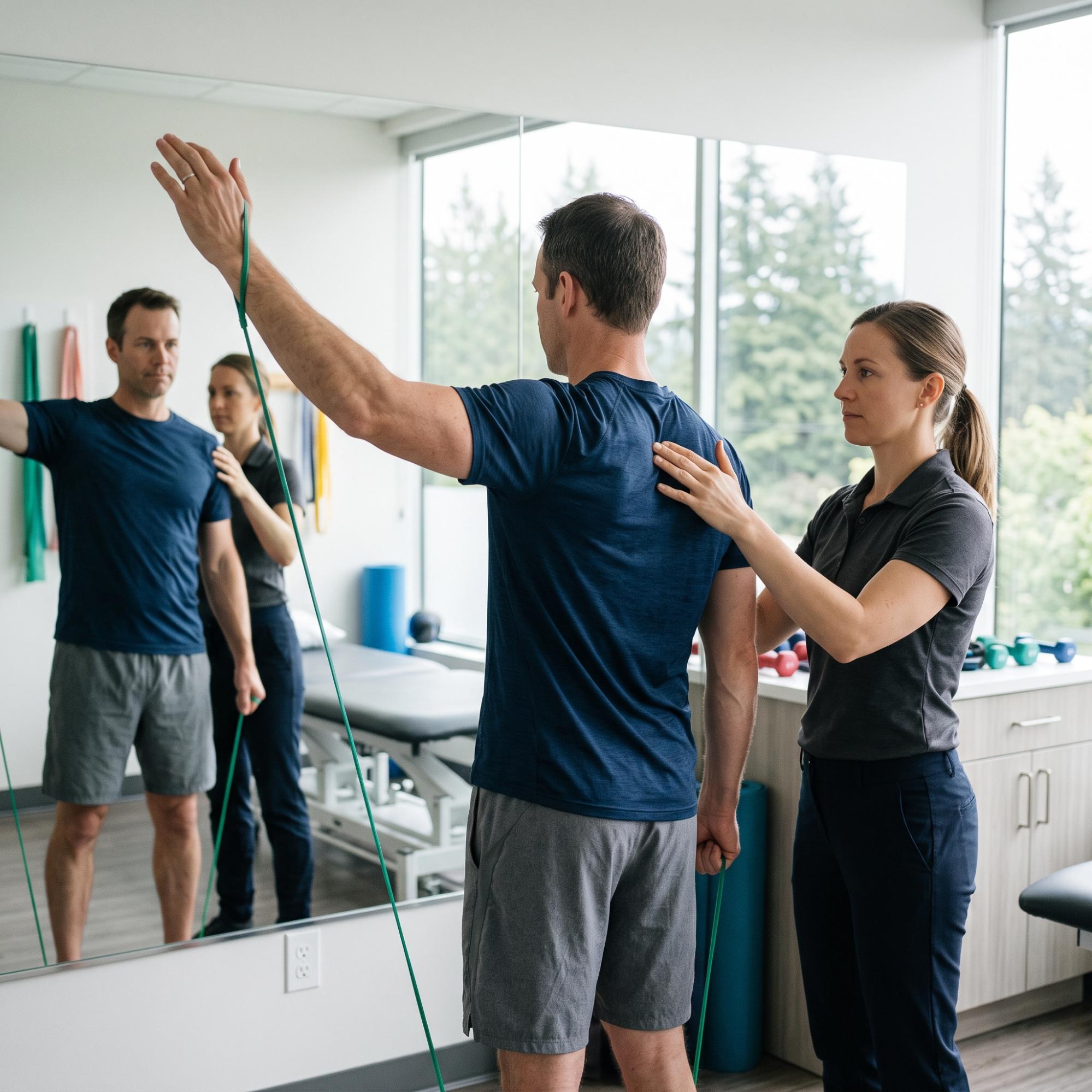
Muscle Imbalance

When the muscles that support and stabilize your shoulder are weak, the top of your arm bone can shift upward as you lift your arm. This narrows the space in the shoulder and can lead to pinching.
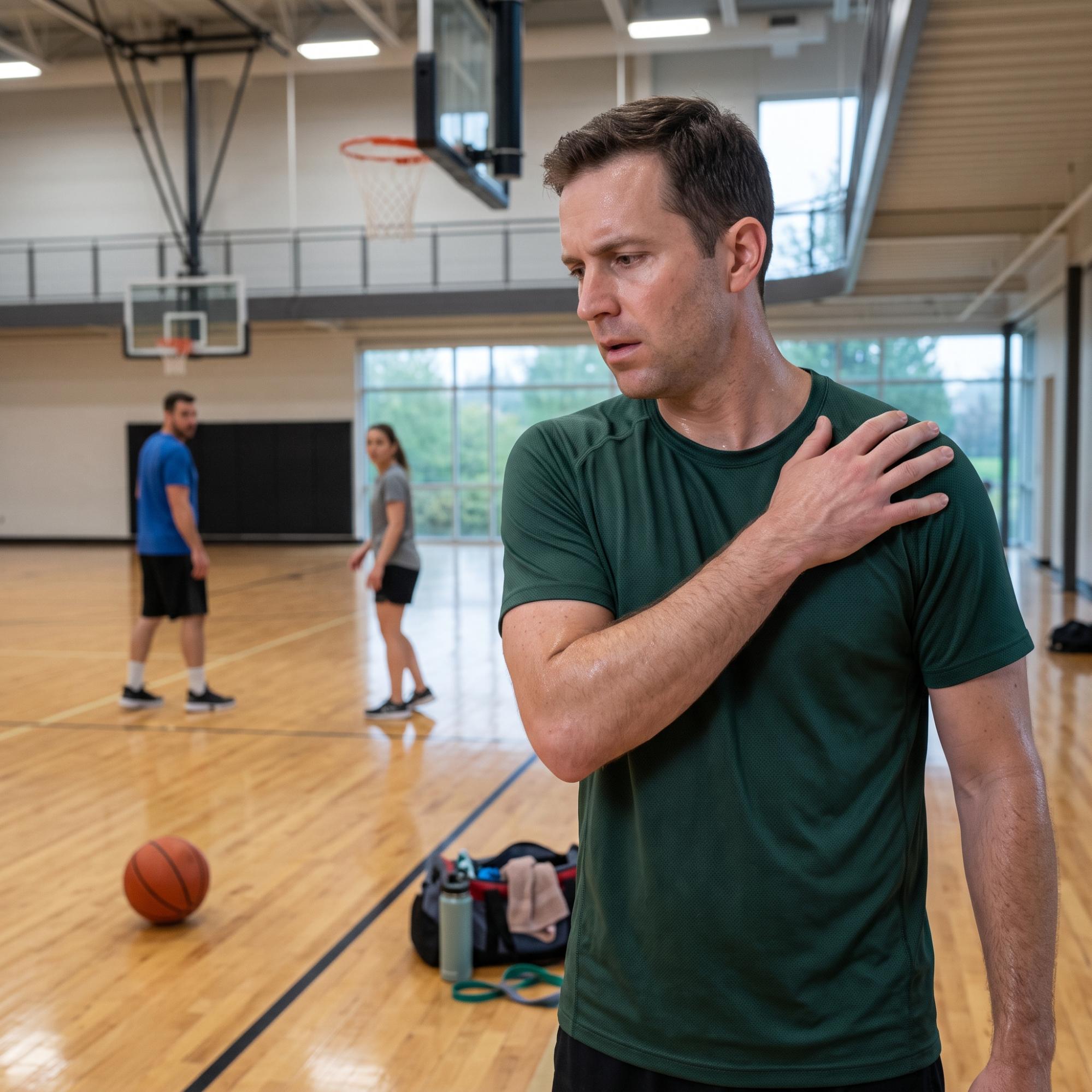
Acute Trauma or Overuse

Falls, collisions, or a sudden spike in training volume can trigger inflammation that then leads to secondary impingement.

Age-Related Changes

As we get older, the tendons become less resilient and bone spurs can develop, further narrowing the space.
How Long Does Shoulder Impingement Take to Heal?

Recovery timelines vary. Mild cases often improve meaningfully within 4–8 weeks of consistent care. More established cases commonly take 3–6 months for full resolution of pain and strength.

Factors that influence healing include:

A structured shoulder impingement physiotherapy and active rehab program consistently shortens recovery compared with rest alone.

How Shoulder Impingement Is Treated at Inspine Therapy

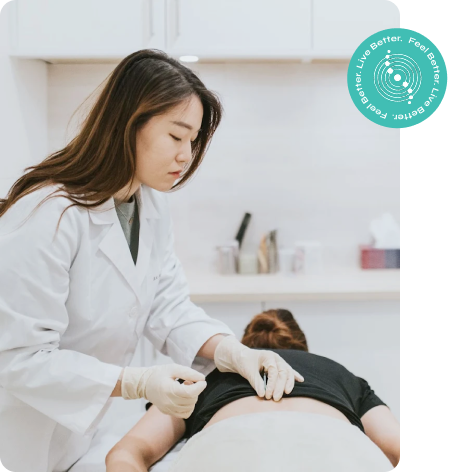
Every treatment plan starts with a thorough assessment of movement, strength, posture, and the specific structures involved. From there we build a progressive program tailored to your goals.

ICBC Coverage for Shoulder Impingement Treatment

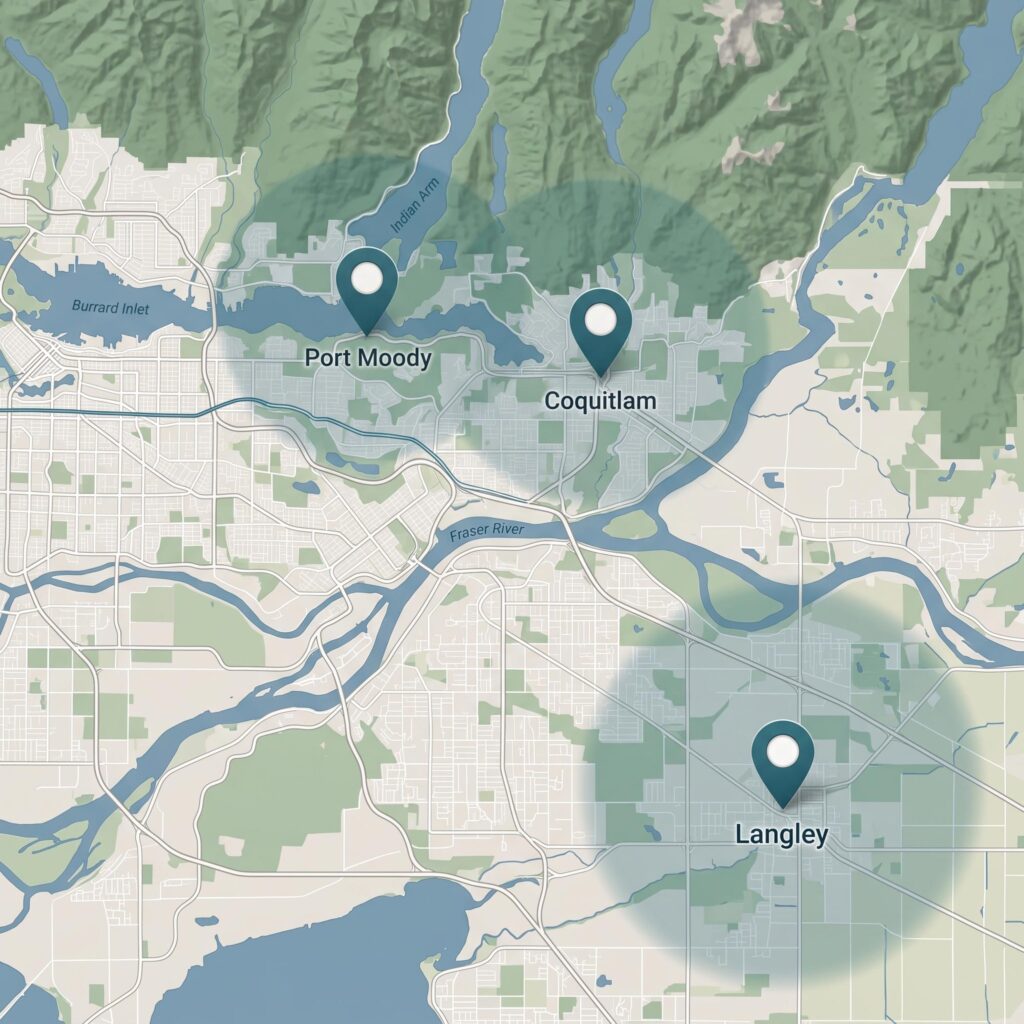
If your shoulder impingement resulted from a motor vehicle accident, ICBC generally covers physiotherapy, active rehabilitation, massage therapy, chiropractic care, and acupuncture. Inspine Therapy provides direct billing to ICBC for patients in Port Moody, Coquitlam, and Langley, simplifying the process. Visit our ICBC claims page for details.

Three Clinic Locations Serving the Lower Mainland

Inspine Therapy maintains three modern, multi-disciplinary clinics across the Lower Mainland:

  • Port Moody Clinic – Centrally located near Rocky Point Park and the Inlet Centre SkyTrain station
  • Coquitlam Clinic – Convenient for residents of Coquitlam, Port Coquitlam, and Burnaby
  • Langley Clinic – Easily accessible throughout the Fraser Valley corridor

Each location offers the full range of services needed for comprehensive shoulder impingement treatment and rehab.

Book Your Shoulder Impingement Treatment Today

You don’t have to live with ongoing shoulder pain or limited function. Whether you are dealing with classic swimmer’s shoulder, work-related overuse, or gradual onset impingement, our team is ready to help you move better and feel stronger.

Book your appointment online or contact us directly. Our caring team is committed to helping you recover efficiently and return to the activities that matter most.

Frequently Asked Questions

What should I expect during my first shoulder impingement assessment?

Your clinician will take a detailed history, examine range of motion, strength, and movement patterns, and perform specific tests to identify the structures involved. You will leave with a clear explanation of findings and a personalized treatment plan.

Early care is ideal. Addressing the problem before it becomes chronic improves outcomes and shortens overall recovery time. Many patients begin to notice meaningful improvement within the first few weeks of consistent treatment.

Yes. ICBC coverage for approved treatments is available regardless of fault. Our team handles the necessary documentation and offers direct billing.

Most people experience noticeable relief within 4–8 sessions. Full recovery of strength and high-level function commonly requires 8–16 sessions depending on severity, duration of symptoms, and adherence to the home program.