Cervical Spinal Stenosis Treatment in Port Moody, Coquitlam & Langley

Understanding Cervical Spinal Stenosis: Causes, Symptoms, and Effective Treatment

Cervical spinal stenosis, also known as cervical stenosis, is a common condition that narrows the spinal canal in the neck. This narrowing puts pressure on the spinal cord and nerves, leading to neck pain and spinal stenosis symptoms that can affect daily life. At Inspire Therapy, our multidisciplinary team of physiotherapists, chiropractors, and active rehab specialists works together to assess your condition, reduce pain, improve mobility, and restore function as efficiently as possible.
What is Cervical Spinal Stenosis?

Cervical spinal stenosis occurs when the spinal canal in the neck narrows, compressing the spinal cord or nerve roots. It typically involves:

  • Degenerative changes to discs, joints, or ligaments
  • Bone spurs (osteophytes) that encroach on the spinal canal
  • Thickening of ligaments or herniated discs


Both cervical spinal stenosis and lumbar spinal stenosis share similar mechanisms, which is why they are often grouped under “spinal stenosis.” According to data from the Canadian Spine Outcomes and Research Network (CSORN), stenosis is the most common principal pathology in cervical spine cases.

In Canada, chronic pain including neck pain spinal stenosis impacts approximately 18.9% of adults, making timely conservative care essential.

Recognizing the Symptoms

Cervical spinal stenosis symptoms do not always appear suddenly. Many people first notice neck pain or stiffness that worsens over time. If you’ve been experiencing ongoing discomfort, it’s important to seek a proper assessment right away.

Common cervical spinal stenosis symptoms include:

  • Persistent neck pain and stiffness
  • Radiating pain, numbness, or tingling into the shoulders, arms, or hands
  • Reduced range of motion in the neck
  • Weakness in the arms or hands
  • Balance problems or unsteady gait (in more advanced cases)
  • Migraines or headaches or difficulty with fine motor tasks


One important point: the severity of cervical stenosis does not always match how serious the symptoms feel. Even low-grade narrowing can cause significant nerve irritation, which is why a thorough assessment at our Port Moody clinic matters.

What Causes Cervical Spinal Stenosis?

The most common cause of cervical stenosis is natural aging. Over time, discs lose height, joints enlarge, and ligaments thicken. These changes gradually narrow the spinal canal.

Motor vehicle accidents, sports impacts, or falls can accelerate degenerative changes or directly contribute to stenosis. Data from Canadian spine registries show that trauma-related neck conditions remain a leading driver of clinic visits. If your symptoms started after an accident, explore our whiplash treatment options.

Disc herniations or osteophyte formation can directly compress nerves. Contact sports like hockey or rugby, common in British Columbia, often lead to these issues in both competitive and recreational athletes.

Genetics, poor posture, repetitive strain, and conditions like osteoarthritis also play a role. Slips, workplace incidents, or sudden jolts to the head and neck can worsen existing narrowing. Improving posture through targeted care can help manage contributing factors.

How Long Does Cervical Spinal Stenosis Take to Manage?

Recovery timelines vary considerably from person to person. Some individuals notice meaningful relief within a few weeks of starting conservative care, while others, particularly those with more severe narrowing or delayed treatment may require several months of consistent management.

Key factors that influence progress include:

  • How soon treatment begins
  • Severity of the narrowing
  • Pre-existing neck conditions
  • Consistency with your home exercise program

Canadian pain research indicates that early intervention can significantly reduce the likelihood of long-term symptoms. Many patients experience lasting improvement in neck pain spinal stenosis when they follow a structured, multidisciplinary plan.

How Cervical Spinal Stenosis Is Treated at Inspire Therapy

Every treatment plan at Inspire Therapy is personalized. We begin with a full assessment, then build a program based on your specific cervical spinal stenosis symptoms and goals.

Active Rehabilitation for Long-Term Recovery

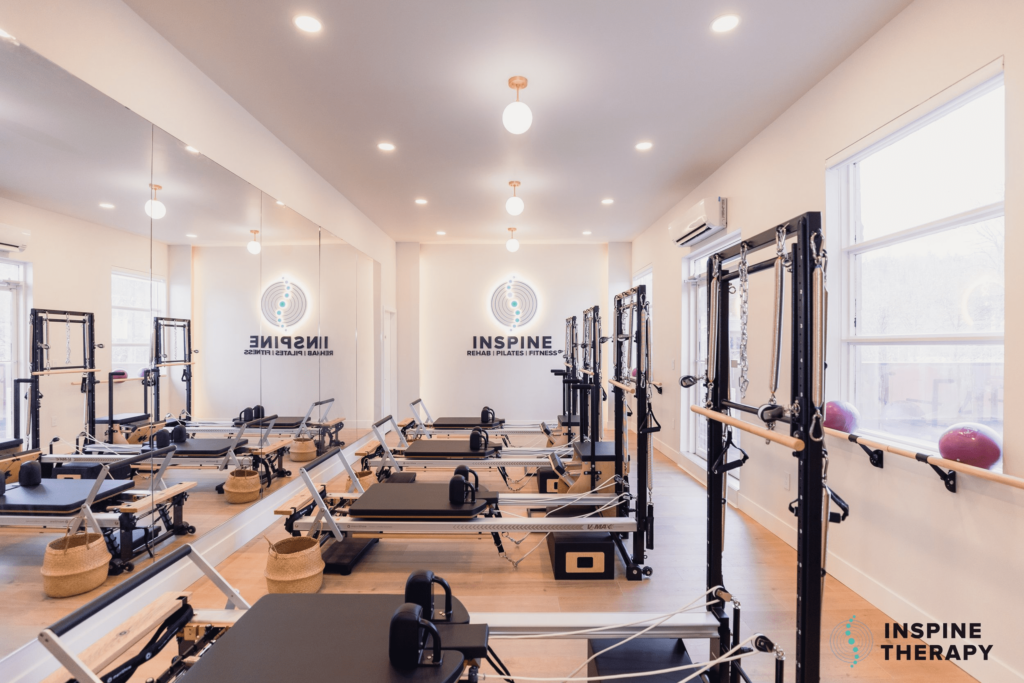
Active rehab is one of the most effective long-term approaches for cervical stenosis. It includes a structured exercise program designed to restore strength, improve mobility, and reduce nerve pressure. Our Port Moody clinic features modern equipment and spacious studios tailored for neck and spine rehabilitation. Learn more about our active rehabilitation programs.

Physiotherapy for Cervical Spine Function

Physiotherapy combines manual therapy, joint mobilization, and targeted exercises to restore function and address underlying issues. Our registered physiotherapists focus on improving posture, reducing inflammation, and decompressing the cervical spine. Learn more about our physiotherapy services in Port Moody.

Massage Therapy for Soft Tissue Relief

Registered massage therapy helps release muscle tension, reduce guarding around the neck, and improve circulation. Techniques such as myofascial release are especially effective for stiffness and referred pain associated with cervical spinal stenosis. Discover the benefits of our massage therapy.

Chiropractic Care for Spinal Alignment

Chiropractic treatment focuses on gentle adjustments that restore proper spinal alignment, improve mobility, and reduce nerve irritation without high-velocity thrusts when contraindicated. Our chiropractors work closely with the team to support postural work and long-term spinal health. Explore our chiropractic treatments.

Acupuncture for Pain and Inflammation

Acupuncture is useful for pain relief, reducing inflammation, and supporting the nervous system particularly helpful for radiating arm symptoms or headaches linked to cervical stenosis. Learn how acupuncture treatments can support your recovery.

Insurance Coverage for Cervical Spinal Stenosis Treatment

At Inspire Therapy, we offer direct billing to most extended health plans and ICBC when your cervical stenosis is related to a motor vehicle accident. Whether your neck pain spinal stenosis stems from a recent injury or gradual wear-and-tear, our team handles the paperwork so you can focus on recovery. We also assist with WorkSafeBC claims when applicable. Learn more about our direct billing options.

Three Clinic Locations Serving the Lower Mainland

Inspire Therapy operates three fully equipped, multidisciplinary clinics across the Lower Mainland, each staffed by experienced registered practitioners:


Book Your Cervical Spine Stenosis Today

Each location offers the full range of services, so you can access everything you need in one place. Book your appointment online or call us directly to get started. 

Frequently Asked Questions About Cervical Spinal Stenosis

Your initial visit includes a detailed history, physical examination, range-of-motion testing, and neurological screening. We discuss your symptoms and create a personalized treatment plan on the spot.

The sooner the better. Early conservative care can prevent progression and reduce the risk of chronic symptoms. Most patients see noticeable improvement within 4–6 weeks when treatment begins promptly.

Yes, ICBC covers treatment when the condition is accident-related. Most extended health plans also cover physiotherapy, chiropractic care, massage therapy, and acupuncture. Our team will verify your benefits and direct bill where possible.

The number of sessions varies by individual. Many patients achieve excellent results with 8–12 focused sessions combined with a home program. Your progress is reviewed regularly and the plan adjusted accordingly.