

Are numbness, tingling, or weakness in your hand and arm interfering with your day-to-day functioning to the point where you have difficulty gripping things, typing, sleeping or performing other simple functions? If this describes you and you’re finding yourself wondering if there’s anything that can help you manage your discomfort, then you might find some relief from Carpal Tunnel Syndrome (CTS).
Targeted manual therapy
Exercises
Evidence-based treatments
At Inspine Therapy, our physiotherapists and registered massage therapists use targeted manual therapy, exercises, and other evidence-based treatments to reduce pressure on the median nerve, improve wrist mobility and strength, and provide lasting relief from carpal tunnel symptoms.

Carpal Tunnel Syndrome occurs when the median nerve becomes irritated due to compression in the carpal tunnel area. The carpal tunnel is a narrow passage at the bottom of the palm formed by eight small bones and nine tendons that surround them. The median nerve runs directly through this narrow space and supplies sensation to about half of the hand; it also aids in controlling muscles associated with finger motion. Swelling, increased tissue mass due to injury or disease, repeated strain on the hand and/or wrist or even swelling caused by overuse can cause irritation and inflammation in the median nerve.
According to Health Canada, CTS is considered one of the most prevalent peripheral nerve entrapment disorders in Canada. Approximately three to six percent of Canadians experience some form of CTS. Additionally, individuals who perform repetitive motions using their hands/wrists are more likely to develop CTS, although studies suggest that women are disproportionately represented compared to men.
of Canadians experience some form of CTS
CTS symptoms usually develop gradually and may be easy to overlook at first and often begin in the dominant hand and tend to be more severe there.
Typical signs include:
numbness/tingling in your thumb, index, middle and ring fingers
burning or ache type pain which may radiate up into the forearm
loss of grip strength/clumsiness while holding onto things;
waking at night due to CTS
dropping things due to poor motor skills/fine motor coordination
with prolonged CTS conditions; thinning of the muscles on the base of your thumb from the prolonged use of your hands.

If you think you’ve experienced some of these symptoms, then it would be worth getting checked out for CTS. In most cases, treatment will lead to better results if you get it treated prior to any long term damage to the nerves.
In British Columbia, workplace claims related to repetitive strain and CTS have historically represented a notable portion of soft-tissue injury costs, underscoring how common the condition is among office workers, tradespeople, and those using vibrating tools.
One of the most effective methods of treating carpal tunnel syndrome includes registered massage therapy (RMT). An RMT can reduce inflammation around the median nerve, improve soft-tissue mobility, and ease the muscle tension that often contributes to pressure inside the tunnel. When treated early, carpal tunnel massage therapy can often slow symptom progression, enhance grip strength and decrease nighttime symptoms that disrupt sleep.
Techniques such as deep tissue work, myofascial release therapy, and targeted soft-tissue mobilization focus on the forearm, wrist, and hand. These approaches help restore flexibility and coordination while decreasing the mechanical stress on the median nerve. Many patients notice reduced tingling and better hand function after a series of sessions tailored to their specific pattern of restriction.
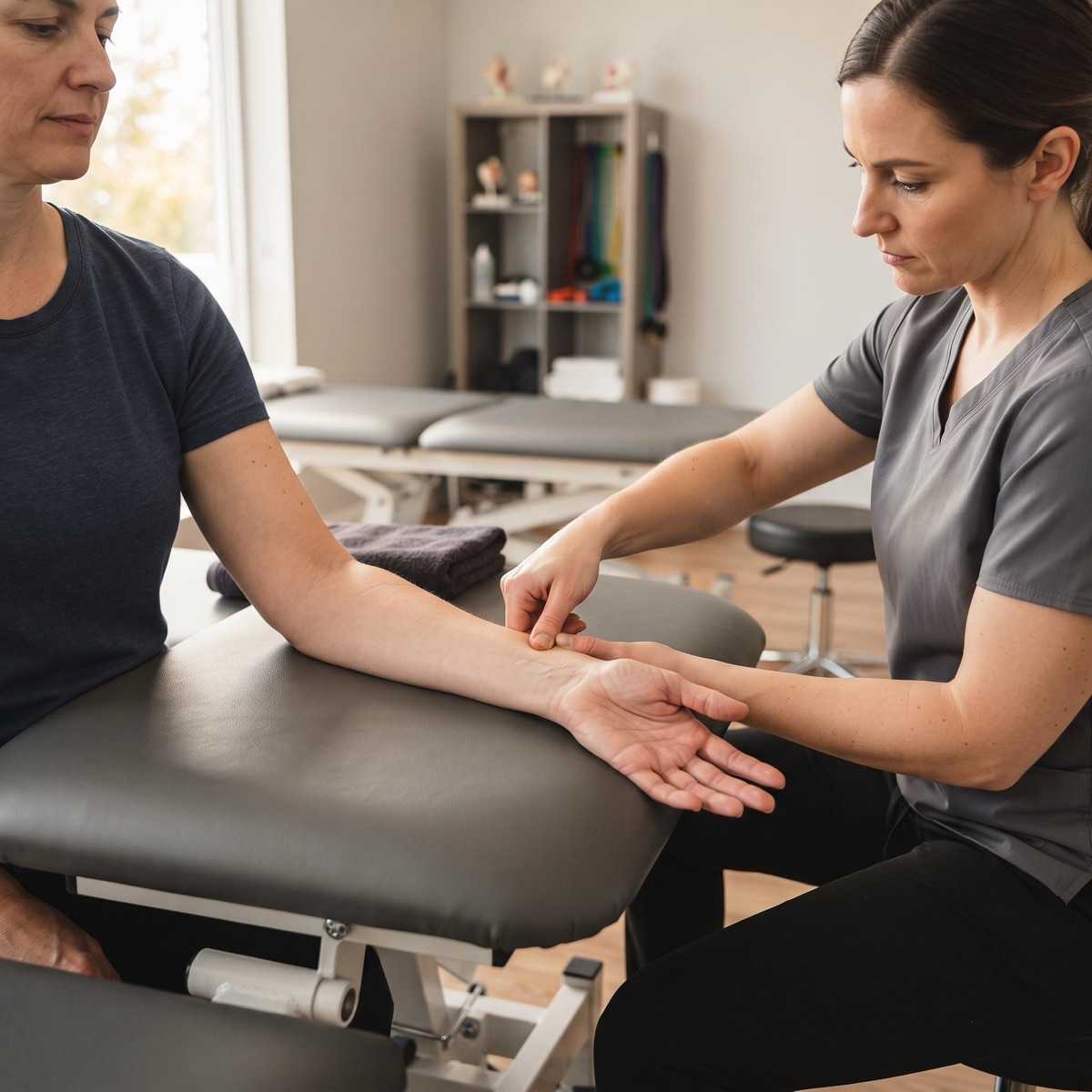
At Inspine Therapy, our RMTs in Port Moody create customized plans that address both the local wrist issues and any contributing factors from the neck, shoulder, or posture. For residents seeking carpal tunnel RMT care close to home, booking with one of our experienced therapists is a practical first step toward lasting relief.
Anything that reduces space inside the carpal tunnel or increases pressure on the median nerve can contribute. Common factors include:
Repetitive hand and wrist motions (typing, using tools, assembly work)
Forceful gripping or use of vibrating equipment
Wrist anatomy that naturally creates a narrower tunnel
Fluid retention during pregnancy or menopause
Underlying health conditions such as diabetes, hypothyroidism, rheumatoid arthritis, or obesity
Previous wrist injuries or fractures
Prolonged awkward wrist positions

While many factors may contribute to developing carpal tunnel syndrome, they are usually cumulative rather than singular. Data collected from workplaces across Canada indicate higher incidence rates among workers employed in occupations including but not limited to: manufacturing, food processing, data entry and jobs requiring extended periods of sustained or forced hand use.
No single strategy guarantees prevention, yet several everyday habits lower the load on the wrists and median nerve:
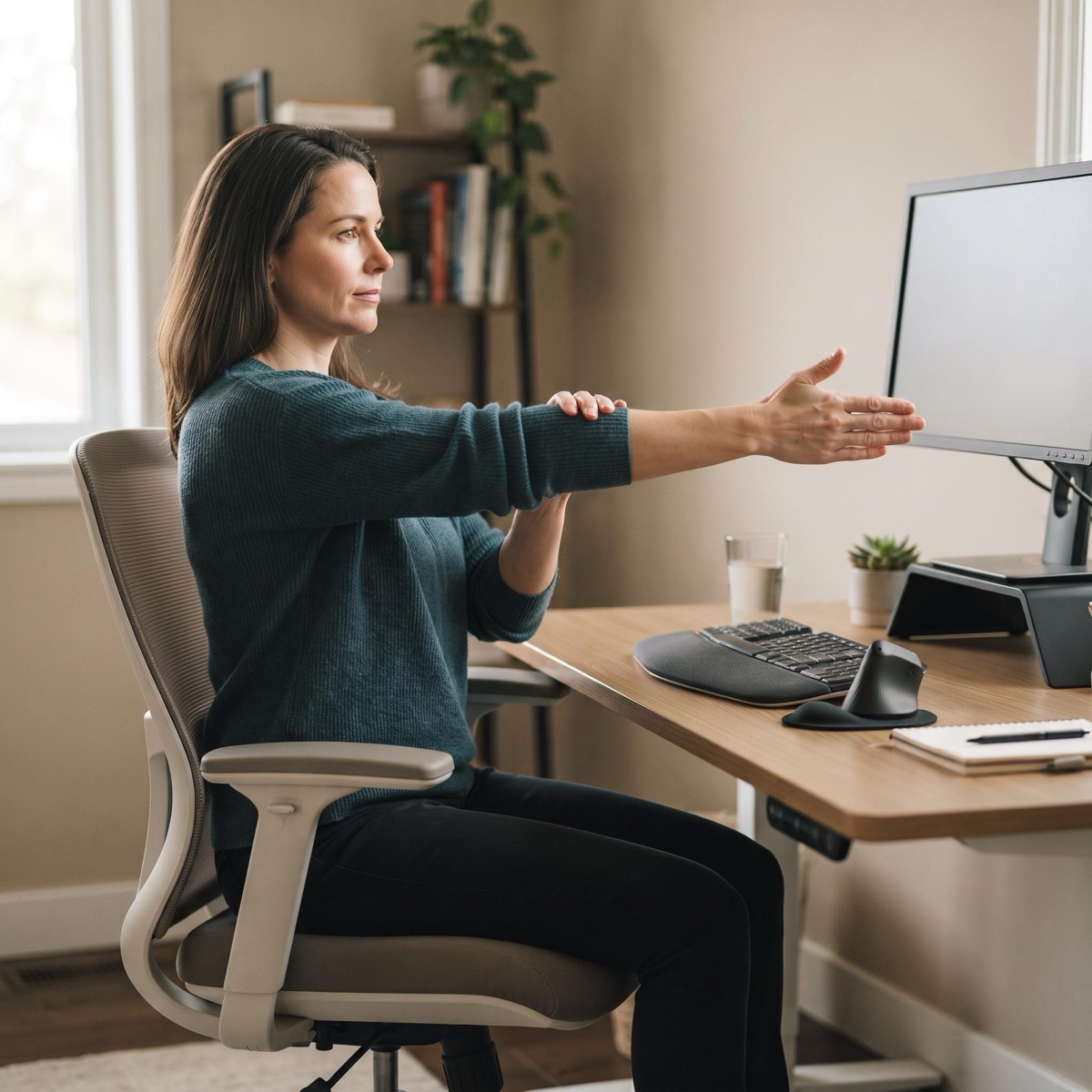
Take short movement breaks every 30–45 minutes when performing repetitive tasks
Keep wrists in a neutral position while typing or using a mouse; consider an ergonomic keyboard or vertical mouse
Maintain good overall posture so the shoulders and neck do not add tension that travels down the arms
Keep hands warm to preserve flexibility, especially in cooler environments
Alternate hands when possible and avoid prolonged gripping of vibrating tools without rest
Stretch the forearm flexors and extensors regularly throughout the day
Poor posture can also refer neck/upper back tension down into the arms which can exacerbate symptoms of CTS. Therefore addressing posture-related issues often correlates with improved outcomes when treating carpal tunnel. In addition to addressing issues at the level of the wrist our team will often incorporate care for related neck pain when posture or cervical issues are identified.
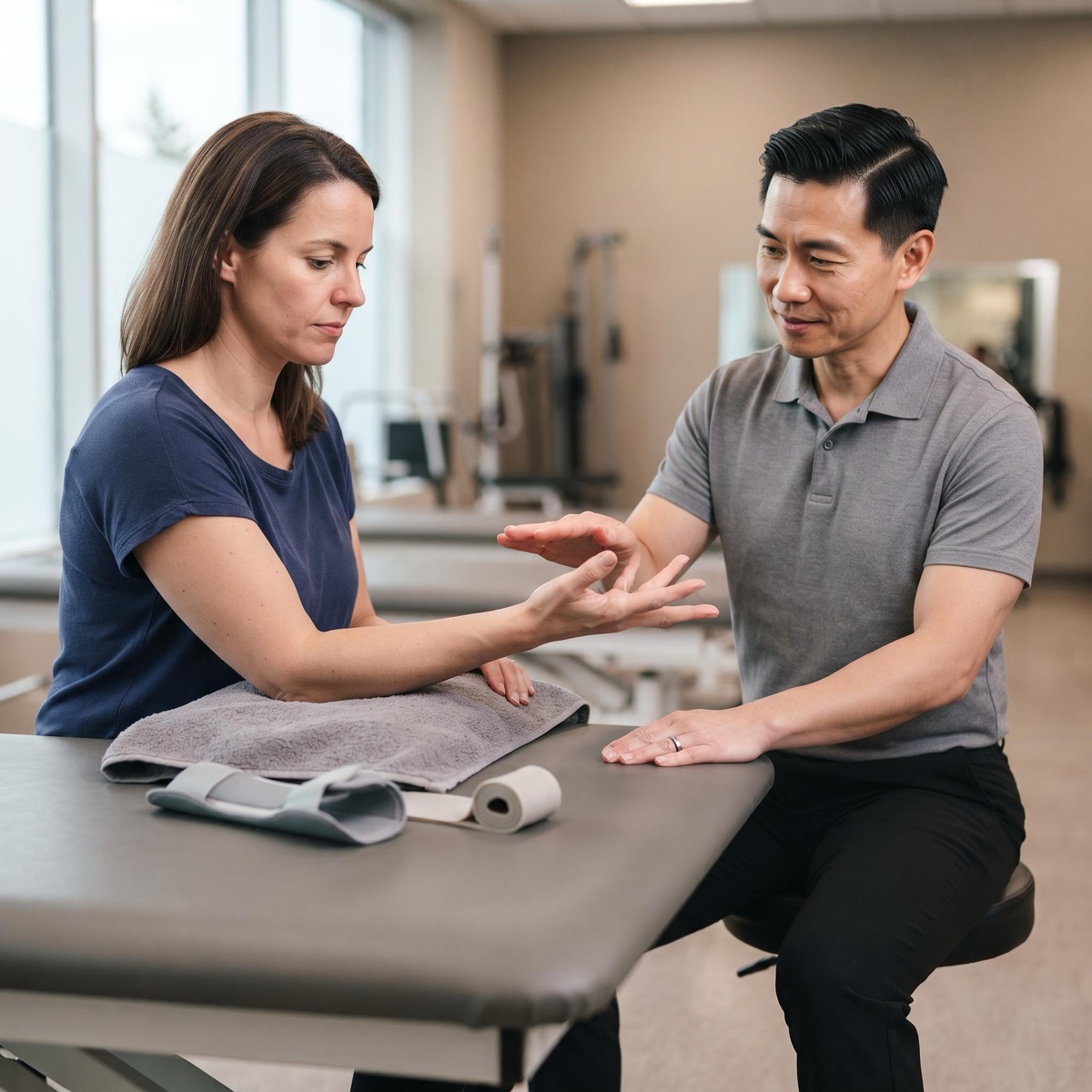
After a proper medical assessment, conservative care is the preferred starting point for most people with mild to moderate CTS. In addition to registered massage therapy, helpful options include:
Night-time wrist splints that keep the wrist neutral while you sleep
Activity modification to reduce aggravating motions
Over-the-counter anti-inflammatory measures when appropriate
Acupuncture or chiropractic care to address contributing joint and soft-tissue restrictions
Specific nerve- and tendon-gliding exercises guided by a therapist
When underlying conditions such as arthritis or diabetes must first be controlled in order to minimize median-nerve pressure.
If the condition progresses beyond mild symptoms, surgery may be indicated. Surgical options include releasing the transverse carpal ligament allowing for decompression of the median nerve. Our active rehab team will provide you with a progressive program designed to assist safe transition back to all aspects of their daily living routine.
Specialized techniques such as neurokinetic therapy can also be useful when muscle compensation patterns around the wrist and forearm are contributing to ongoing symptoms.
Contents
If numbness, tingling, or weakness is affecting your sleep, work, or ability to perform everyday tasks, it is time for an assessment. Early carpal tunnel treatment with a registered massage therapist often prevents the need for more invasive options and helps you regain comfortable hand function.
Inspine Therapy is a multi-disciplinary clinic serving Port Moody, Coquitlam, and the surrounding Tri-Cities. Our RMTs, physiotherapists, chiropractors, and acupuncturists collaborate so your care addresses the full picture, not just the wrist in isolation. Whether you need focused carpal tunnel massage, posture support, or coordinated rehab after surgery, we create practical plans that fit your life.
Book an appointment with one of our registered massage therapists and take the first step toward clearer hands and lasting carpal tunnel relief.
Yes. Targeted carpal tunnel massage reduces soft-tissue tightness, improves circulation, and decreases pressure on the median nerve. Many people with mild to moderate symptoms experience meaningful relief and improved hand function when treatment begins early.
It varies. Some patients notice improvement within a few visits, while others benefit from a short series of sessions combined with home exercises and ergonomic changes. Your RMT will reassess progress regularly and adjust the plan accordingly.
Yes. Occupations that involve repetitive wrist motions, forceful gripping, or vibrating tools show higher rates.
Seek medical evaluation if symptoms are severe, progressing quickly, include significant muscle wasting, or do not improve with conservative care. A physician can rule out other causes and discuss whether further testing or surgical options are appropriate.